
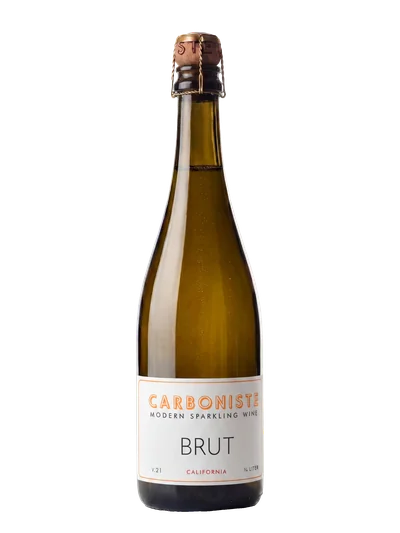
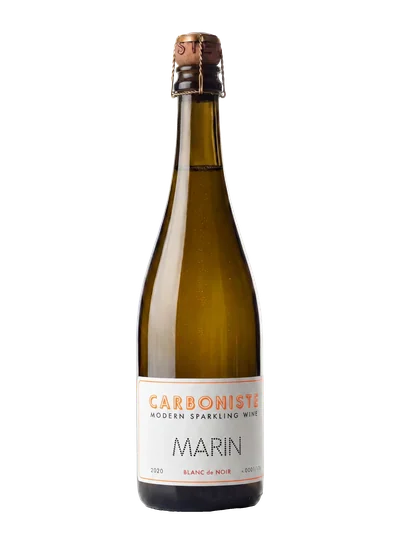
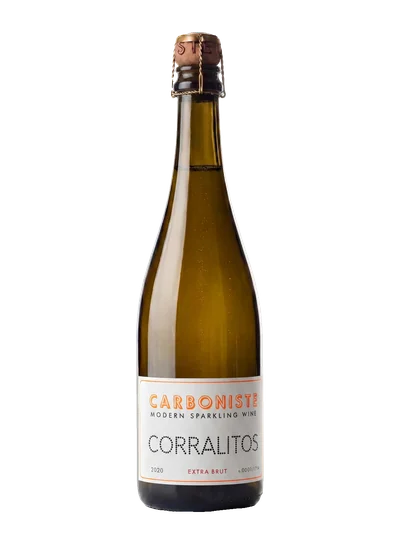
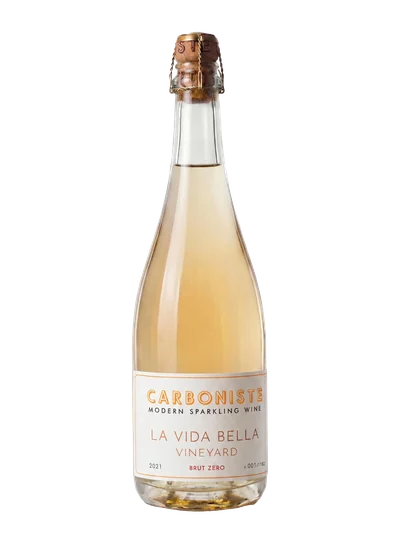
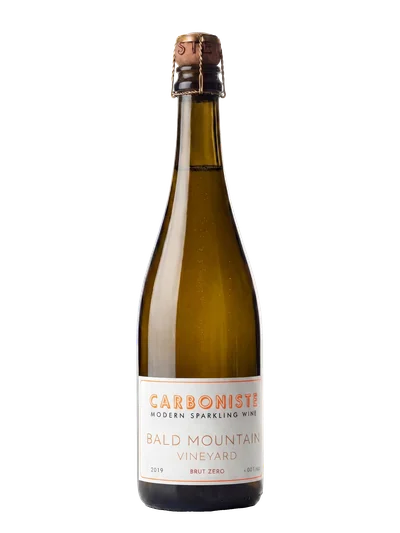
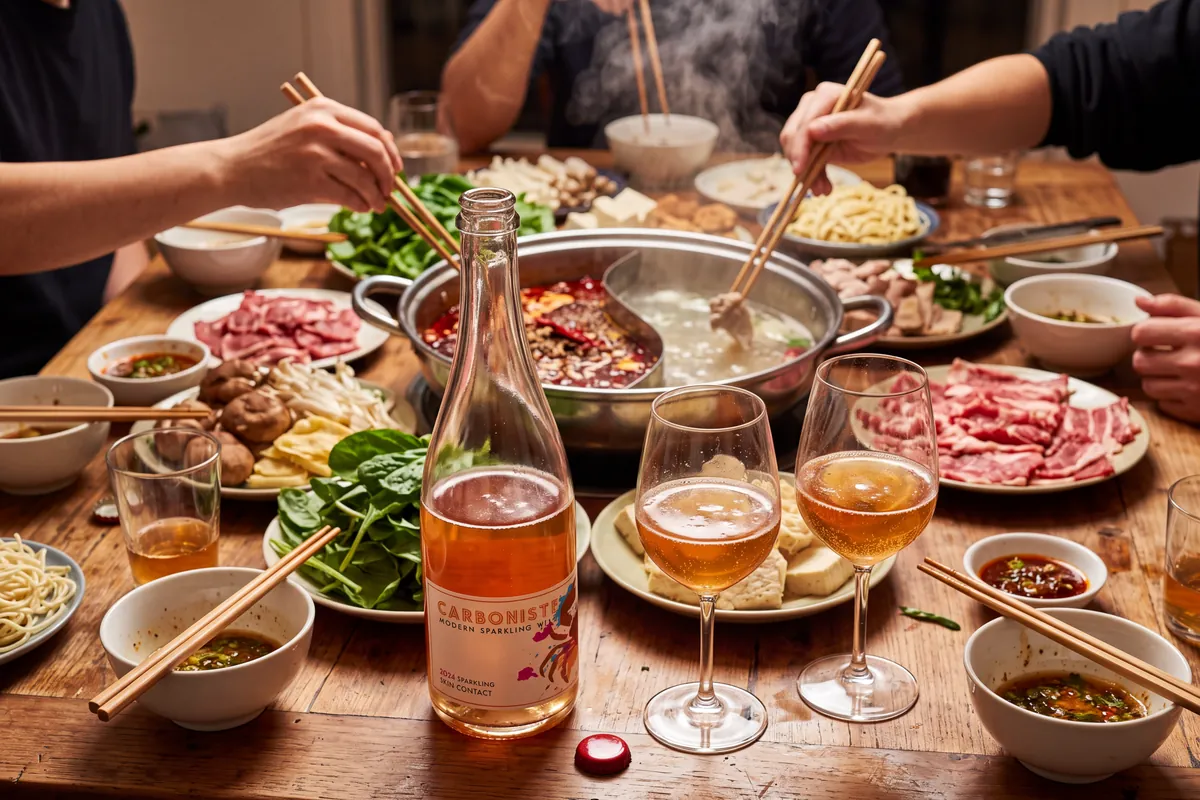
The short answer: Champagne is a place in France, and you can’t make it in California. You can make something that resembles it, but it will always taste like California sparkling wine. So we don’t try. We make traditional-method sparkling wine that’s compelling for its own reasons: fruitful, bright, energetic and juicy. If you usually drink Champagne, start with something completely different, like our Crab.
You can’t make Champagne in California
When I started making sparkling wine at Schramsberg, I realized that basically everyone in California was trying to make Champagne. That was the MO. And to me it felt a bit disingenuous, people trying to make something they’re not.
You can make something that resembles Champagne. But a good taster won’t be fooled into thinking, oh yeah, this is Champagne. It’s always going to taste like California sparkling wine.
So I didn’t want to make Champagne in California. I wanted to make something that was truly California sparkling wine, something the Champenois might be just a little bit jealous of: the fruitfulness, the brightness, the energy, the juiciness. Let’s shift the style conversation, so we’re making something compelling for its own reasons, not because it resembles something people like from somewhere else. I don’t think mimicry is an art form in and of itself. I want each wine to be its own expression, with its own compelling reason to exist. That’s how Carboniste started.
Champagne’s playbook, and why it doesn’t fit here
The classic Champagne flavor profile is built on savoriness plus a confectionery sweetness. It’s fundamentally sweet and savory.
Taste the still base wines in Champagne, the vins clairs, and they’re not very fruity. There can be some fruit, but you get the impression the goal is a neutral base wine. That neutral base then gets its flavor in the bottle, from the yeast doing the second fermentation on added sugar. That’s where the confectionery flavors come from. I explain the two yeasts in every bottle here.
I’m talking about the big-house style here, the Champagne you find in every grocery store. There are some fantastic grower producers making subtle, interesting, complex wines that don’t fit that description.
California is different. We have a lot of flavor in our base wines. They’re not neutral. They’re really flavorful, and when your base wine has that much flavor, those confectionery characters don’t show up the same way. If you just run the Champagne playbook again on California fruit, you end up with a wine that’s disjointed. It doesn’t make sense. The Champagne playbook makes sense for Champagne, but in my opinion it doesn’t make sense for California. So my goal is to rebalance the conversation and figure out what does make sense for wines from this place, with these flavors.
The rules I happily break
I happily break all the rules that make sense for the wine.
Some of our wines, like the Reserve wines, are actually made a lot like Champagne. But even there, the extended time in barrel isn’t common in Champagne. Most producers in Champagne do a short rest in stainless steel before they bottle the wine for its second fermentation. A few grower producers age their base wines longer in barrel, and I applaud them. We skip the short stainless rest for a long one in barrel, because it gives us a different set of flavors. More on our Reserve wines.
We also break the rules on grapes, with Albariño, Pinot Gris and red grapes in our sparkling wines, and on closures, with crown caps instead of corks on our sparkling critters.
What Schramsberg taught me
What I learned at Schramsberg was the technical side: how to physically make sparkling wine. That’s a specialty in its own right. It takes serious study, attention, skill and muscle, and there’s no real textbook to follow. I learned the art and the craft there.
From there, it was my job to take it further and figure out how to adapt it to the work I wanted to do. If I have opinions about sparkling wine, I need to prove whether they’re true or false. The only way to do that is to go out and do the work.
If you usually drink Champagne, start here
There are two ways to look at it. One is to try something that doesn’t resemble Champagne at all. That makes the point: it’s traditional method, but it’s not Champagne. The Crab, the Rouge Brute and the Octopus are like that. They have bubbles, but you wouldn’t compare them to Champagne. The Octopus, our sparkling Albariño, is where we started the brand.
The Urchin and the Whale overlap with Champagne stylistically. They’re Pinot Noir and Chardonnay, grapes you already have expectations for. So I don’t think they’re the best place to start if you love Champagne. Start with something completely different.
My pick is the Crab. Orange wine, made with skin contact on white grapes, is still fairly new in the U.S., and a lot of what’s out there isn’t great quality. The Crab is a really high-quality orange wine, technically well made, and just about anyone can find joy in it. I’ve talked to a lot of people who say they don’t like orange wine, and they try this one and say, actually, this is really pretty good.
It’s two grapes. Albariño, the same grape as the Octopus, is aromatic, and skin contact turns those aromatics up to 11: stone fruit, citrus and white flowers, maxed out in a way that’s fresh and beautiful. Pinot Gris, the same grape as Pinot Grigio, has pink-gray skins, so it adds a little tannin, a lovely color, orange fruit and black tea, almost a peach tea quality. Together you get peach, white flowers and tea, with a little grip and the juiciness of the Albariño. Most people have never had a wine like it. It surprises them, it’s delightful, and it’s easy to like. More on the Crab.
Where California sparkling is headed
I think it’s part of a bigger question about where the whole wine industry is headed. A lot of people want something different. They want something new, something they’ve never tried before. That’s what we’re trying to make: wines people have never had. Not wines they haven’t had access to, but wines that never existed before. I think unique, new styles are the most compelling direction for California sparkling wine, and that’s where we’re seeing interest right now.
The one thing to remember: it’s fun to be surprised by wine. Part of the joy of wine is trying something you’ve never tried and tasting flavors you’ve never experienced.
Quick answers
What’s the difference between Champagne and California sparkling wine? Champagne comes only from the Champagne region of France. California sparkling wine can use the same traditional method, but California fruit gives more flavorful base wines, so the best California sparkling wines taste different on purpose.
Is California sparkling wine as good as Champagne? It can be excellent, especially when it’s made for California fruit instead of copying Champagne.
What’s a good alternative to Champagne? Try something that doesn’t imitate it. Our pick for Champagne lovers is the Crab, a traditional-method sparkling orange wine.
What does traditional method mean? The second fermentation happens in the same bottle you buy, the way Champagne is made. Our whole process, start to finish.