
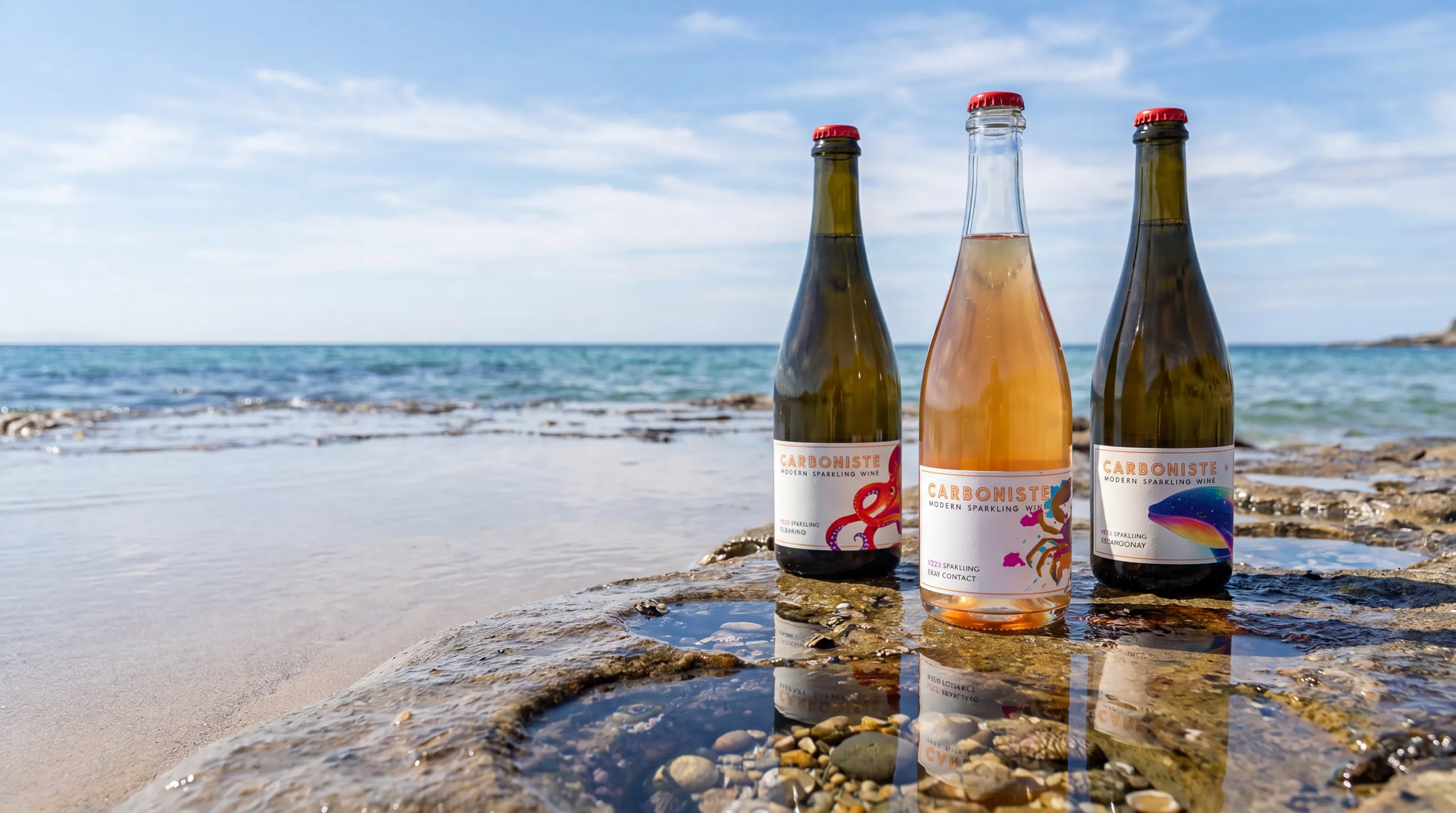
The short answer: for oysters, start with a sparkling Chardonnay. Our pick is the Whale. Dan explains why: “It is sort of the pureness of the acidity, the brightness of it, the sort of a verticality and energy that flows through Chardonnay that I think works really well with oysters.” Pair it with a good small Pacific oyster, served raw.
Why Chardonnay works so well with oysters
The word that matters is energy. A great oyster is cold, briny and clean, and it needs a wine with the same clarity. Chardonnay’s acidity is pure and bright, and it seems to run in a straight line through the wine, which is what Dan means by verticality. The bubbles lift the brine, and the acidity works like a squeeze of lemon.
How to eat a dozen, and what to pour
Dan treats a dozen oysters as a progression, and the wine can change as you go.
- The first one plain, with nothing but its own brine. This is where a crisp, white sparkling wine shines: the Whale or the Octopus.
- The next with a little lemon. Same bottles, still in their element.
- Then the mignonette. As you add flavor, you can move toward a wine with more body, like our Urchin rosé or our orange wine, the Crab. “The orange can really support a lot of flavor,” Dan says.
- Then mignonette plus hot sauce. Now it’s the Crab’s turn. Skin contact gives it texture and a little grip, and it’s the critter we reach for with anything spicy.
Your oyster lineup
Whale: sparkling Chardonnay. Dan’s first choice among the critters. Expect Gravenstein apple, pear and yuzu, with zippy lemon curd and a creamy mousse. That creaminess comes from up to 30 months in neutral barrels for part of the blend, and it gives the wine enough body to stand up to a meaty oyster.
Octopus: sparkling Albariño. Bright, citrusy and fresh, with that crunchy apricot fruit. It’s a great match, especially for anyone who likes a big squeeze of lemon.
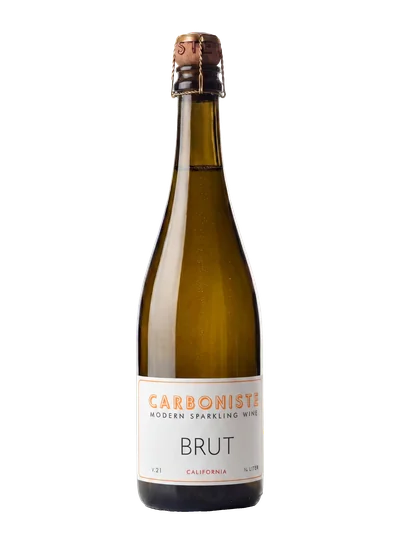
V21 California Brut: the Reserve pick. This is our solera-style sparkling wine, blended across vintages and vineyards so aged wine meets young wine. It’s on the richer side, with lots of layers of flavor, and it’s the bottle Dan says to open. His instructions: “Grab it, rip it, and drink it.”
Urchin and Crab: for the dressed-up oysters. When the mignonette and hot sauce come out, our rosé and our orange wine have the body to keep up.
Mackerel: pét-nat. A little more texture and a copper tint from skin contact, plus a herbal, black tea edge. It’s the adventurous pour, and it does well with oysters.
The odd one out: Beta. A red with oysters doesn’t make a lot of sense, and Beta is a little out of style here. “It’s not terrible, like you could do it,” Dan says. “Everyone’s got their own perception of what’s the right thing to do.”
Which oysters?
Small, raw and delicate. “They should be served raw,” Dan says, so leave the grill and the fryer out of this one. A good small Pacific oyster is ideal. Bigger oysters, like many from the Gulf, have bold flavors that aren’t very subtle, and sparkling wine is at its best with something more delicate.
The one thing to remember: oysters and our wine are delicious together.
Meet the Whale · Meet the V21 · Meet the Crab
Quick answers
What wine goes best with oysters? A crisp, high-acid sparkling wine. We’d start with a sparkling Chardonnay like our Whale.
What wine goes with oysters and hot sauce? Something with more body. Our orange sparkling wine, the Crab, handles spice well.
Champagne or California sparkling wine with oysters? Both work. What matters is pure acidity and clean energy, and California Chardonnay brings plenty of both.
Should oysters be cooked for wine pairing? Dan’s answer is simple: serve them raw.