
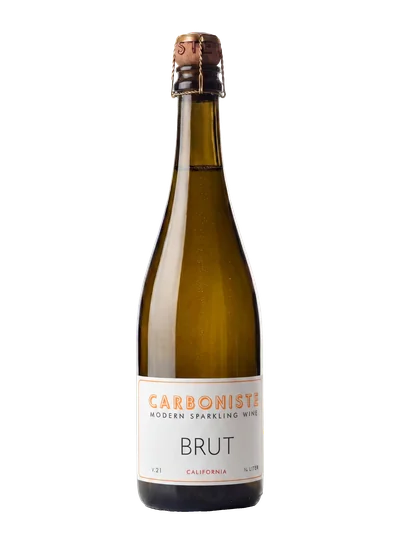
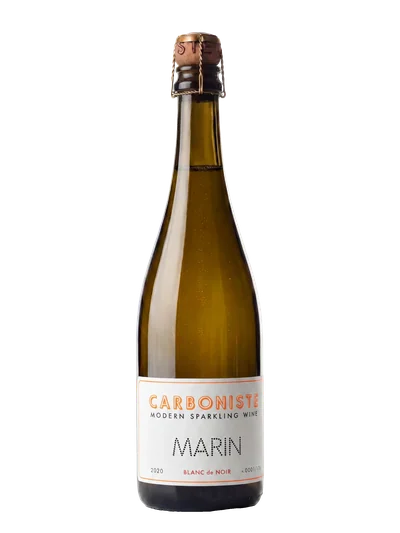
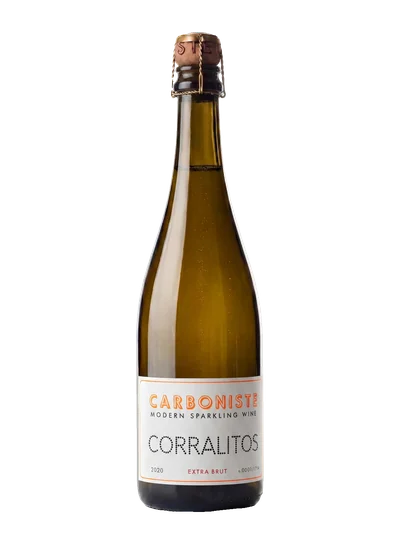
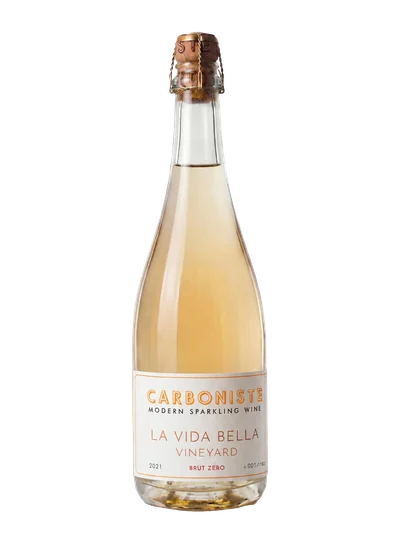
The short answer: these words tell you how much sugar was added to a sparkling wine at the very end, a step called dosage. Brut Zero means none. Extra Brut means very little. Brut means a little more. At Carboniste, even our highest dosage is about six grams per liter, roughly a teaspoon of sugar in a whole bottle, and the goal is that you never taste it.
What dosage is
When a traditional-method sparkling wine is disgorged and its yeast removed, the winemaker has one last chance to adjust it before the bottle is sealed. That final addition is the dosage. “The dosage is sugar and a little bit of sulfur,” says winemaker and co-founder Dan Person.
The sugar isn’t there to make the wine sweet. “I don’t want anyone to ever taste sugar,” Dan says. “I want the wines to taste like grapes.”
So what is it for? Sparkling wine has less alcohol than most still wines, and alcohol gives a wine weight and a sense of fullness. Sparkling wine also has much more acid, which makes any sweetness hard to notice. A small dosage fills that gap. “The goal really is to give the wine a fleshiness and a roundness, some power, some presence, without actually tasting like sugar,” Dan says.
His favorite way to put it: “It’s like makeup. You don’t want to see someone is wearing makeup; you use it to accentuate beauty.” Good dosage, he says, “magnifies the beauty of the wine.”
What the label words mean
In Europe, these terms have legal definitions based on how much sugar is in the finished wine:
| Label term | Sugar in the finished wine |
|---|---|
| Brut Nature, also called Brut Zero or Pas Dosé | Less than 3 grams per liter, with no sugar added after the second fermentation |
| Extra Brut | 0 to 6 grams per liter |
| Brut | Less than 12 grams per liter |
The ranges overlap, so a wine labeled Brut might have only five grams per liter. That’s why Dan reads them as a style more than a number. “Those designations should tell the drinker a perception of richness,” he says. Brut Zero is completely dry and very lean. Extra Brut is lean. Brut is a little richer and fuller.
He’s candid that the lines blur. Our Crab is labeled Extra Brut, and Dan says you could make “a fair argument the Crab is perhaps more Brut than Extra Brut.”
How much sugar is really in the bottle
Less than you’d guess. “Our highest dosage levels are usually around six grams per liter,” Dan says. A standard bottle holds 750 milliliters, so that works out to about four and a half grams of sugar in the whole bottle, roughly one teaspoon.
Here’s where our wines land, from the product pages and fact sheets:
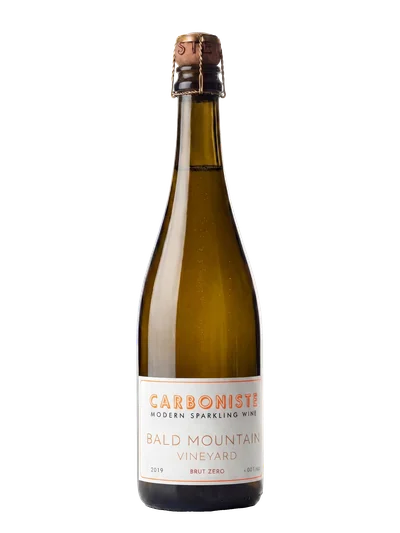
- No dosage at all: the Mackerel, and our Reserve Brut Zeros from La Vida Bella and Bald Mountain vineyards.
- A light touch: the Marin at 1 gram per liter and the Corralitos at 3.
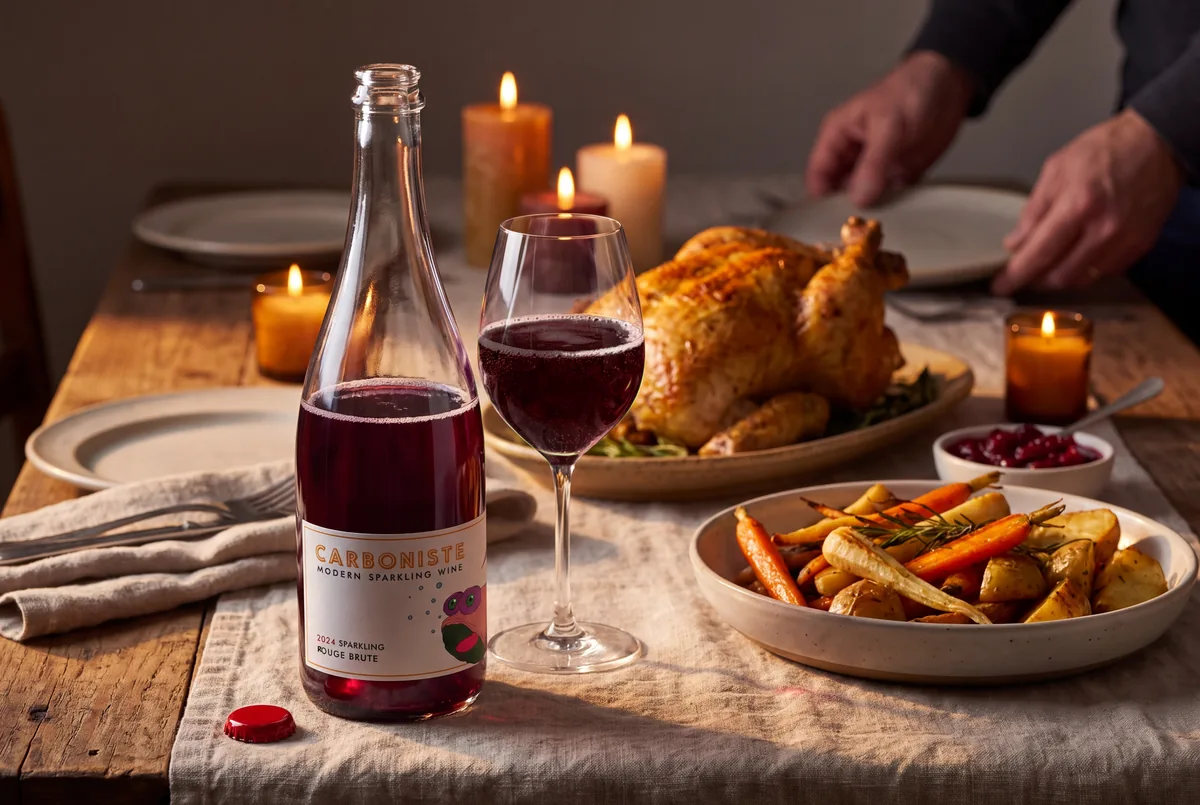
- Toward the top of our range: the 2024 Crab and the 2024 Urchin at 6 grams per liter. Our sparkling red, the Rouge Brute, sits up there too, and its exact dosage changes from vintage to vintage.
How we decide
There’s no formula. “You can’t determine it with analysis,” Dan says. “You determine it organoleptically,” meaning by taste, “with the winemaker tasting and deciding where the wine should be.”
Every time a wine is ready to disgorge, he sets up a trial. “I get six bottles on point, disgorge them, add different dosage levels, recap, lay them down for a week, then taste.” The trial usually runs at two, four, six and eight grams per liter. “I’m evaluating the sweet spot, the best expression for the wine.”
The starting question is always whether a wine needs any dosage at all. “Is it a good wine without any dosage? And if that’s the case, does dosage make it better? If dosage truly doesn’t make the wine better, then I don’t want to add any,” Dan says. “Sugar is an external addition and an external flavor that is not part of the grapes. I don’t want to make sugar-flavored wine. I want to make grape-flavored wine.”
Acid plays a part. Malolactic conversion, which softens a wine’s sharper acids, can mean a wine needs less dosage, but not always. “I sometimes find that even though the wine’s a little bit lower acid, it still needs a modest amount of sugar to kind of balance the overall texture,” Dan says. Some wines balance higher because of their acidity, a touch of bitterness, or their alcohol.
Why make a wine with no dosage?
Because sometimes the wine is already there. “It’s special that the wines don’t need dosage or don’t benefit from dosage,” Dan says. When a wine like that is disgorged, it doesn’t get sugar. It gets topped up with itself: the same wine, from other bottles disgorged that day. That’s what “topped with itself” means on our La Vida Bella page.
Even a zero-dosage wine may get “a small, small kiss of sulfur,” Dan says, “which helps to sort of stabilize the wine.”
The one thing to remember
The goal of dosage is that you never taste it.
What to open
Dan’s pick is the Rouge Brute, our sparkling red: juicy, fresh, and very easy to drink. It’s a good bottle for seeing what dosage does, rounding out a wine without making it taste sweet.
Quick answers
What does Extra Brut mean? A very dry sparkling wine. Under European rules, between 0 and 6 grams of sugar per liter.
What is Brut Zero? A sparkling wine with no sugar added at the end, also called Brut Nature or Pas Dosé. Ours include the La Vida Bella and Bald Mountain Reserve wines.
Is Brut sweet? No. Brut is a dry style, with less than 12 grams of sugar per liter under European rules. Our dosages usually top out around six.
What is dosage in sparkling wine? A small addition, usually a little sugar, made after disgorging to balance the wine before the final closure goes on.