
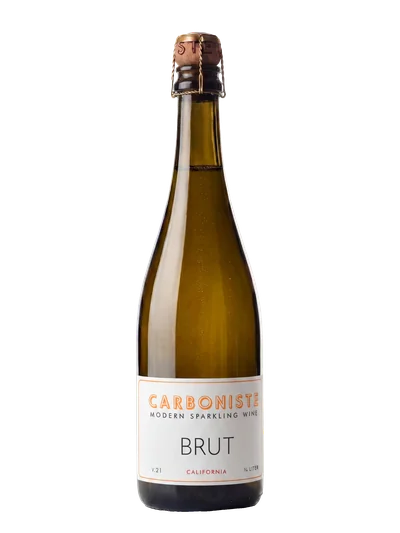
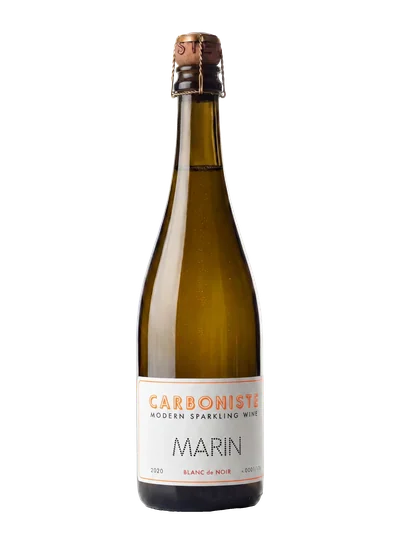
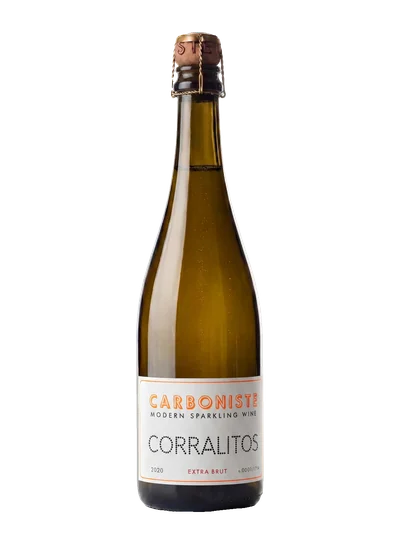
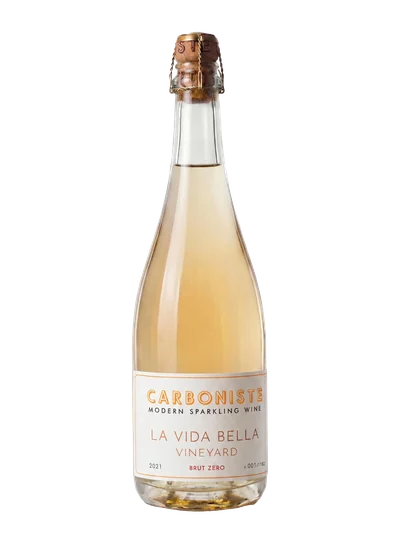
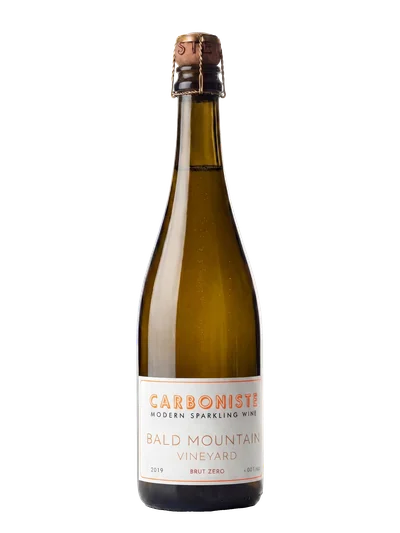
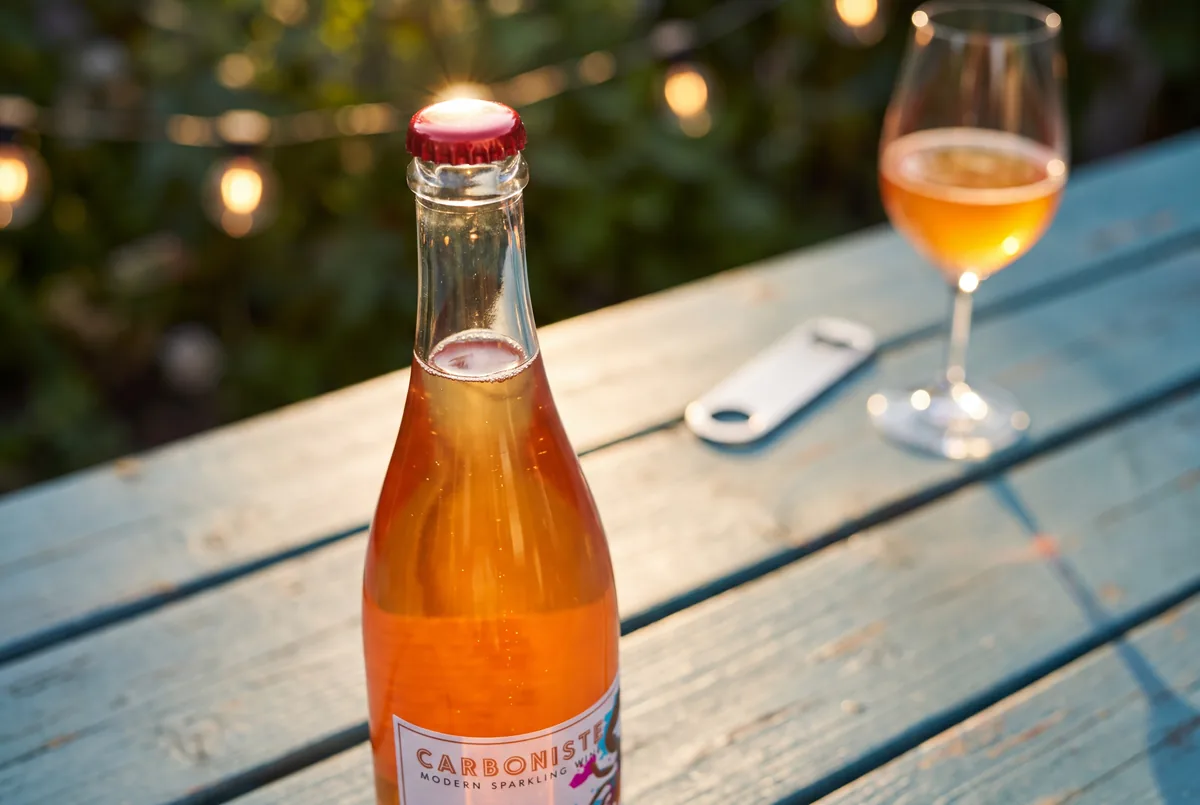
The short answer: every critter we make is sealed with a red crown cap, the same kind of cap you’d find on a bottle of beer. It keeps cork flavors out of the wine, lets in the same small amount of oxygen bottle after bottle, and opens with an ordinary bottle opener. And it isn’t a shortcut. Almost every bottle of Champagne spends its years in the cellar under a crown cap too. You just never see it.
How we ended up with crown caps
The honest origin story is a practical one. When I bottled our first vintage, I wasn’t sure what closure we’d use, and I didn’t have a corker or a wire hooder to put on a cage. So it just made sense to use crown caps.
Then I realized it was the right call anyway. Whatever you do on the first vintage sets the tone. It sets the expectation and the brand. We wanted wines that were fresh, clean, bright and full of energy, and the crown cap protects exactly that.
Why red? It’s a bright, fun color, and it draws positive attention to the wine.
Cork has a flavor
This is the part most people don’t know. Believe it or not, cork has flavor. When you put a cork on a wine, the wine slowly extracts flavor from that cork over time. It acts kind of like tea.
The flavors I point to are mushroom, dry herbs, black tea, and sometimes something chocolatey or like burnt toast. These aren’t the musty “corked” smell from a faulty cork, which is a separate problem. They’re simply the taste of cork. A lot of people taste an older sparkling wine and think it’s corked when it isn’t. It just tastes like cork. There’s no specific taint; it tastes like a soggy piece of wood.
Those earthy, mushroomy flavors come from the cork, not from the grapes or the barrel. I didn’t want to make wines that tasted like cork. I wanted to make wines that tasted like grapes. That was my focus from the start.
Steady from bottle to bottle
A crown cap is inert. It adds no flavor, and it protects the wine. It isn’t perfectly airtight, and I like that. There is some oxygen ingress, and what’s nice about it is that it’s a metered amount: every crown cap gives you about the same. Cork is a natural material, so every piece behaves a little differently, and two bottles of the same wine can drift apart over the years.
That’s why our critters age better under a crown cap than they would under cork. Most of them aren’t built for long aging anyway. We release each one when it’s at its best, and the cap keeps it there. The Octopus, our sparkling Albariño, is the clearest case: I want it to stay young, bright and energetic for as long as possible.
The secret of the Champagne cellar
Here’s the myth-buster. Almost every bottle of Champagne goes into the bottle under a crown cap. The wine goes through its second fermentation and rests on its yeast under that cap, often for years. Only after disgorging, when the yeast comes out and the bottle is ready for sale, does the familiar cork and wire cage go on.
So why the cork at the end? Tradition, and the rules. European wine law says sparkling wine sold in standard bottles has to be closed with a mushroom-shaped stopper held on by a wire fastening. The rule allows other food-safe materials, but in practice that means cork. It basically says you can’t use a crown cap as your final closure. So the cork and cage on a bottle of Champagne is part of how it looks, not part of how it’s made.
California has no such rule, so we get to choose. People ask me all the time why we use a crown cap, and this is my answer: crown caps are part of Champagne. They’re just not the part you see.
What people think when they see one
I’m sure some people see a crown cap and assume it’s a less expensive wine, or that it’s a pét-nat. Pét-nats, the rustic single-fermentation sparklers, often wear crown caps, so people connect the two. But we use crown caps on our traditional-method wines too: the same method as Champagne, with a second fermentation in the bottle.
I’d flip that assumption around entirely. If you remember one thing, make it this: a crown cap is actually a sign of quality. The wine is protected by it.
How to open a crown cap
If you can open a bottle of beer, you can open a crown cap. All you need is a bottle opener, or the edge of a knife or a table if you’re improvising. Anyone can do it, and you’re unlikely to get hurt. Nobody’s going to lose an eye.
Keep the bottle well chilled and point it away from anyone while you open it, the same as any sparkling wine. And no, a crown cap doesn’t go back on once it’s off. A sparkling wine stopper from any kitchen shop will keep an opened bottle fresh in the fridge.
The one downside
I’ll be honest about the one downside: the party pop. With a cork and cage, you can work the cork out slowly and quietly, the sommelier way, or you can send it flying across the room. When I open a cork-finished sparkling wine, I prefer the party pop. It’s a lot more fun, even if it’s more of a party move than a restaurant one. With a crown cap you mostly get a quick hiss instead. If I pop the cap off very fast I can get a little pop sound, but for the most part, you lose that.
So why do our Reserve wines have corks?
Fair question. Our Reserve wines have used cork and cage since the 2020 vintage; earlier Reserve vintages wore red crown caps. The cork is mostly a signal. It tells you these wines are a little different: a little more special, a little more precious, I suppose, and more traditional.
The Reserve wines are also built differently from the critters. They’re made from Pinot Noir and Chardonnay, the classic Champagne grapes, they spend years in barrel and bottle, and they’re meant to keep developing slowly after release. The critters are made to be enjoyed fresh, and for them the crown cap is the better closure.
What to open
My pick for a crown cap night is the Crab, our sparkling orange wine: juicy, full-bodied, and sealed with a red cap. Grab a bottle opener and you’re in.
Quick answers
Why does my sparkling wine have a bottle cap? We seal our critter wines with a crown cap because it keeps cork flavors out and lets in a small, consistent amount of oxygen, so every bottle tastes the way we intended.
Is a crown cap a sign of cheap wine? No. Champagne houses age their wines under crown caps before disgorging. The cork and cage go on at the end, by tradition and European law.
How do you open a crown cap on sparkling wine? With a regular bottle opener, the same way you’d open a beer. Keep the bottle cold and point it away from people.
Do crown caps let wine age? Yes. A crown cap lets in a tiny, steady amount of oxygen and adds no flavor of its own, so the wine ages evenly from bottle to bottle.