
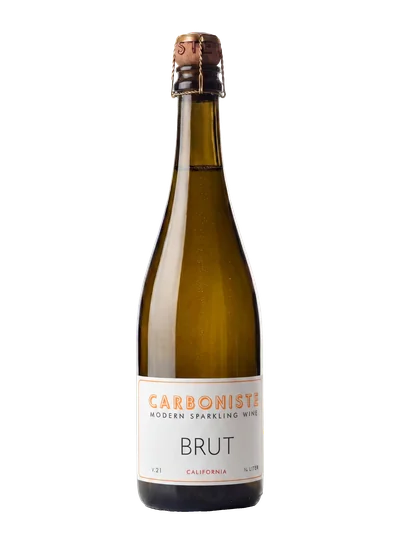
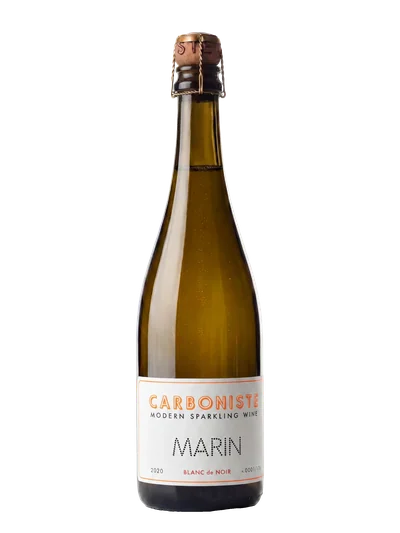
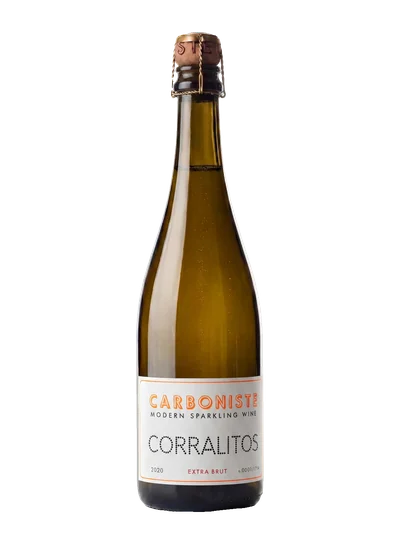
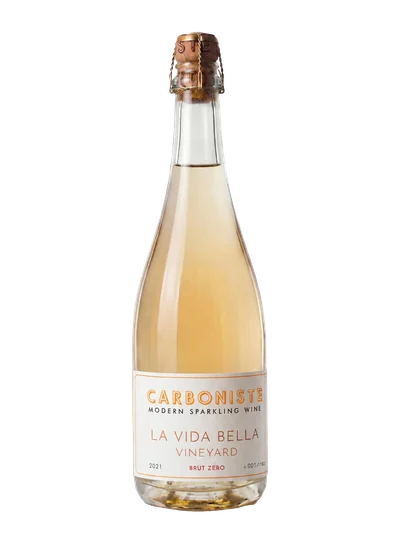
The short answer: every bottle of traditional-method sparkling wine is shaped by two rounds of yeast. The yeast in the bottle, which eats added sugar, gives Champagne its famous brioche, toffee and caramel flavors. The yeast in the barrel, which eats grape juice, gives something savory instead: umami, depth, and a real salinity. Our wines spend serious time with that barrel yeast, so they lean savory, and the fruit stays in front.
Yeast, twice
Making sparkling wine the traditional way means fermenting it twice.
- The first fermentation turns grape juice into still wine. At Carboniste this usually happens in barrel, with native yeast, the wild yeast that arrives with the grapes. Those yeast eat the natural sugar in the juice.
- The second fermentation happens in the sealed bottle and makes the bubbles. Here we add a little table sugar and a commercial yeast strain.
When yeast finish their work, they settle out and slowly break down, and they give flavor back to the wine as they do. Both rounds of yeast do this, but they don’t taste the same.
Why one tastes like brioche
“Yeast in the bottle, the one you taste in Champagne, tastes like the table sugar it was fed,” says winemaker and co-founder Dan Person. “There’s a confectionary element. That’s why we say brioche, toffee, caramel.”
In Champagne, that bottle-yeast character is often treated as a mark of quality. “The more expensive the wine, the yeastier it is, the more time it has on its lees in bottle,” Dan says. Lees is the winemaker’s word for the spent yeast.
Why the other tastes savory
The first yeast never saw any table sugar. “The yeast in barrel, the first yeasts, were fed juice,” Dan says. “They don’t have that sugary character. They have umami, savoriness, salinity, a yummy savory factor.”
We give that barrel yeast a lot of time. After the first fermentation, our barrel-fermented wines stay on their own yeast for at least nine months and up to three years, and nothing else is added. “That’s the yeast from the harvest,” Dan says. “We don’t add any other yeast to it.” Our Reserve wines often rest this way with no added sulfur at all, like the Corralitos, which spent 12 months unsulfured on its yeast in barrel. That takes close attention, and Dan watches each barrel for any sign of spoilage. In vineyards with naturally high acidity, like Corralitos, the wine largely protects itself.
The longer the wine sits with that yeast, the more savory it gets. In the V21, the longest-aged parts of the blend bring what Dan calls “fino-style sherry elements,” a dry, savory salinity like a fino sherry. “The long aging is producing a lot of that sort of salinity and richness,” he says.
Why we want savory
California has sunshine to spare, and sunshine means ripe, generous fruit. Dan doesn’t want to pile more sweetness on top of that. “Because we have so much sunshine in California, we have fruitfulness, a sweetness from terroir,” he says, “and we want savoriness to counterbalance it. That savoriness comes from time in barrel.”
He compares it to cooking. “You don’t want food that’s just sweet with sweet. You don’t add caramel on top of something else that’s sweet. You want to add a savory character to something that’s sweet.”
We still get the bottle yeast too. Many of our wines get yeast character twice, once in barrel and again in bottle. But the confectionery side stays in the background, adding “some nuance and some complexity,” as Dan puts it, without taking over.
And none of it is meant to be the star. “I’m not trying to make a yeasty wine,” Dan says. “The yeastiness isn’t what makes it special. It’s the vineyard, it’s the grapes.”
Why the bottle yeast is a commercial strain
If native yeast is so good in the barrel, why not use it in the bottle too? Because the second fermentation is a much harder job. “It’s easy to ferment grape juice with native yeast,” Dan says. “It’s hard to re-ferment a wine with native yeast on purpose, consistently, and to full completion.” A finished wine already has alcohol in it, and the yeast have to work in a sealed bottle under pressure.
So we use a commercial strain, and we prepare it with a four-day “training” culture before it goes into the bottle. Dan has tried several strains over the years. “Some of them are more savory, some of them are more sweet or confectionary,” he says. He uses one strain at a time and never mixes them, because two strains in one fermentation can fight each other. For the bottle, he wants “the most reliable, boring fermentation” he can get.
Which critter shows it best
Among our critter wines, Dan points to the Whale, our sparkling Chardonnay. “The Whale gets quite a bit of that barrel-yeast character,” he says. Taste it next to the Octopus, our sparkling Albariño, which ferments in stainless steel and gets only a short rest, and you’ll taste both sides of our cellar.
The one thing to remember
California sunshine gives our wines their fruit. Time on the barrel yeast gives them the savory balance.
What to open
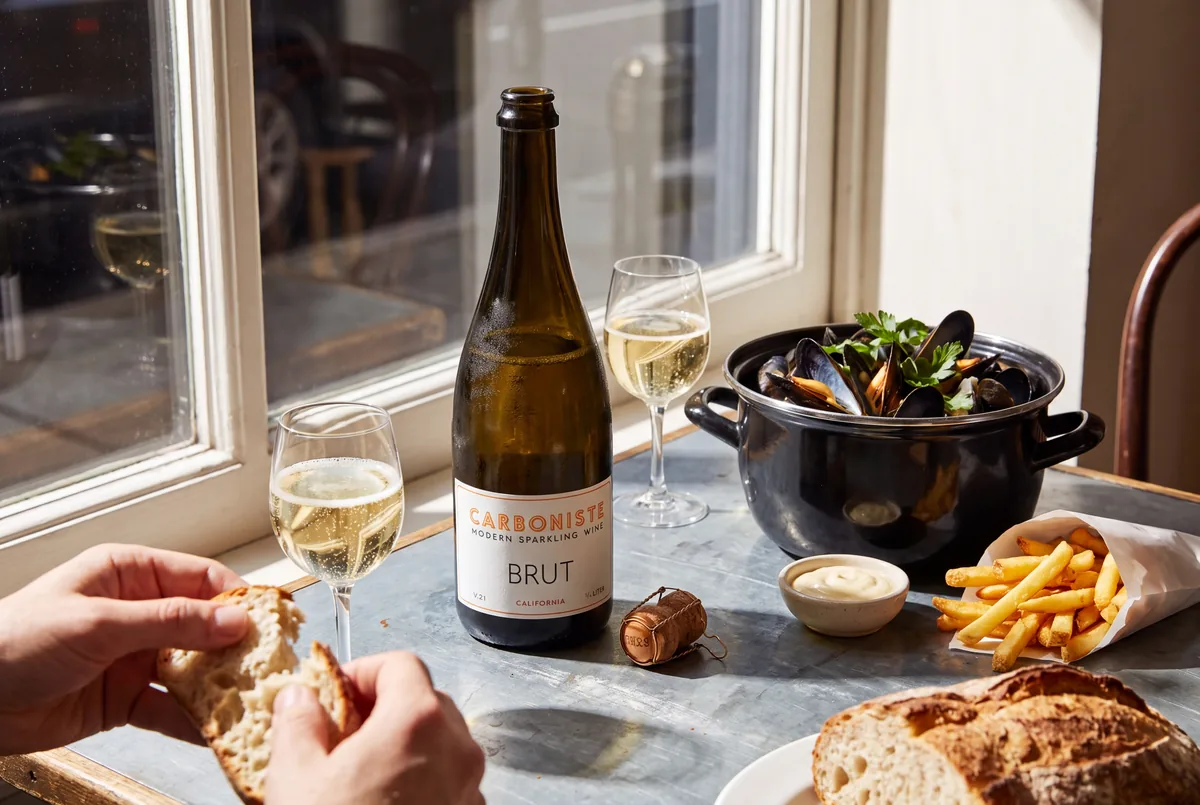
Dan’s pick is the V21 California Brut, our solera-style blend. Most of it is from 2021, with older wines going back to 2018, aged on their barrel yeast without added sulfur. It’s the clearest taste of everything in this post.
Quick answers
Why does Champagne taste like brioche? The brioche, toast and caramel flavors come from the yeast that ferments in the bottle and then rests there. That yeast was fed sugar, and it gives a sweet, bakery-like character as it breaks down.
What is aging on the lees? Leaving a wine in contact with its spent yeast, or lees, after fermentation. As the yeast break down, they add texture and flavor.
Why does some sparkling wine taste savory? Long aging on the first-fermentation yeast, which were fed grape juice instead of sugar, brings umami, savory depth and salinity.
Do all sparkling wines use the same yeast twice? No. Many winemakers, us included, use native yeast for the first fermentation and a reliable commercial strain for the second.