
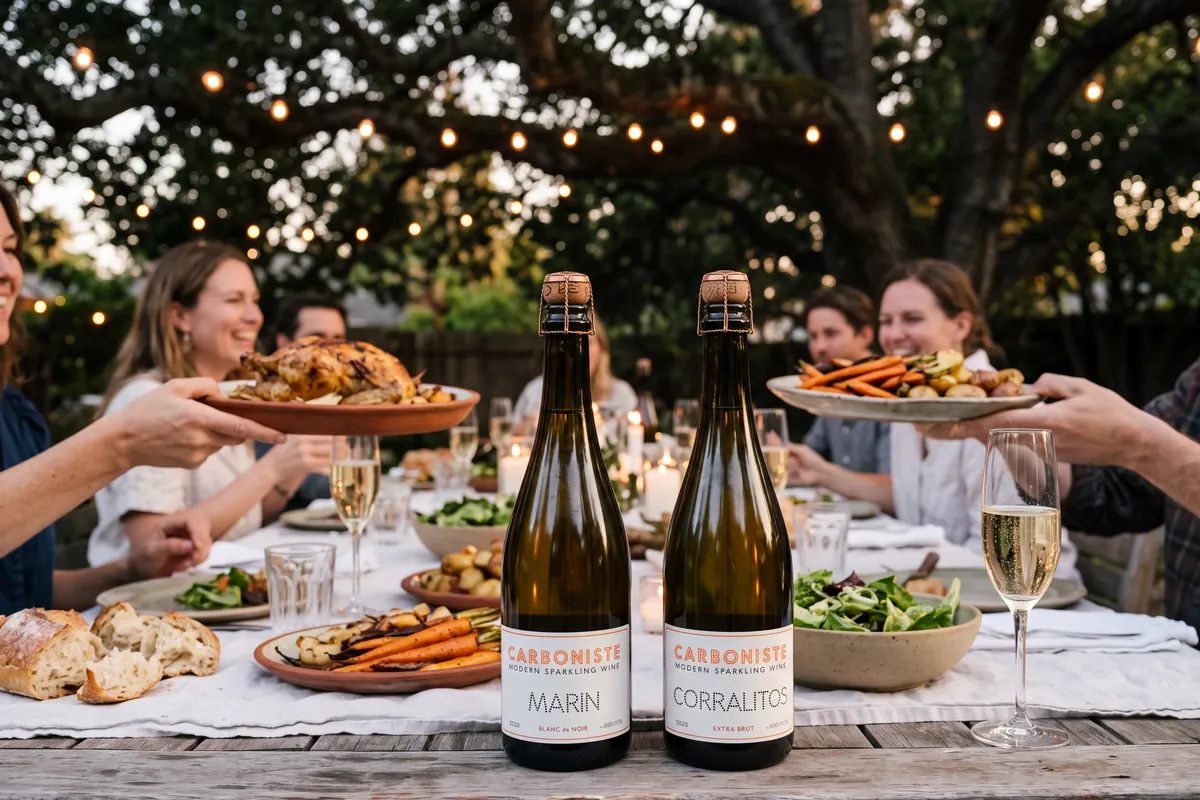
The short answer: a Carboniste Reserve is a wine we hold back. Every step gets more time: more time in barrel, more time in bottle before disgorging, and more time in bottle after. A critter is usually ready six to 18 months after harvest. A Reserve takes five or six years. They’re made from Pinot Noir and Chardonnay from a handful of exceptional sites, and they carry the names of those places instead of critters.
Reserve means holding something back
The word reserve really means to hold something back. It’s reserved in the cellar. It takes longer to produce, and it isn’t an immediate release.
The critters are relatively quick. We make them, we sell them, and once they’re disgorged, they’re ready to go. Not all of them are fast, but none of them sit around for years. With the Reserve wines, every step in the process has significant time built into it.
It also starts with the grapes. We find interesting sites with high-quality Pinot Noir and Chardonnay, and then we give them time, with a thorough evaluation of what the blend should be and what the dosage should be. The whole process gets more breath. Pinot Noir and Chardonnay are beautiful grapes, but they get that way over time. When they’re young, they can be fun, but they’re not necessarily serious. It takes a while for them to develop those deeper, serious qualities.
That time is also a big part of the price. Five or six years in the cellar, expensive fruit and small quantities add up. If we could make a thousand cases of these at a lower price, we’d have that conversation. That’s just not the reality of this style of wine.
Place names, not critters
The critters are spirit animals for the wines (more on that here). The Reserve wines are different. We’re trying to express the terroir of specific places, so the wine represents that place, and the place gets the name.
They’re also under cork and cage instead of our red crown cap. That’s a signal. These wines take longer, they’re more precious, and they’re made a bit more like traditional Champagne than the Octopus is. Here’s why the critters wear crown caps.
How we make them
All of the Reserve wines are made in a similar way. We press the Pinot Noir and Chardonnay directly and rack the juice off super clean, because I don’t like heavy sediment in those fermentations. Then they ferment naturally in barrel: native yeast, native malolactic, very hands-off. We leave them unsulfured for as long as possible, which cultivates more complexity, more development and some really interesting character. Then they get their second fermentation in the bottle and a long rest on the yeast.
The lineup, one at a time
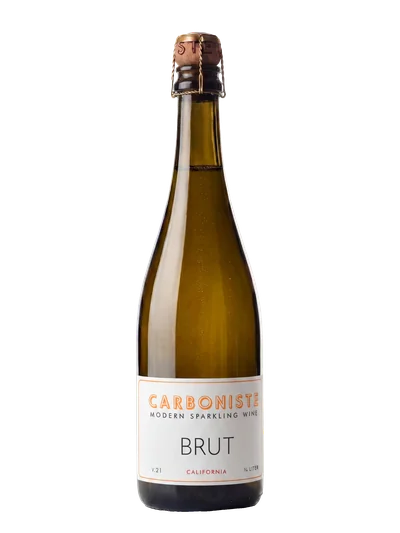
V21 “Solera” Brut
The V21 spends a lot of time on yeast. About three-quarters of the blend is from 2021, and it’s blended with older wine from 2020, 2019 and 2018. The older the component, the longer it’s been developing in barrel, and through all that time it picks up salinity and richness. It’s Pinot Noir and Chardonnay from what I consider California’s best places for sparkling wine: the Santa Cruz Mountains, Marin County and the Santa Rita Hills.
Is it a solera? I think solera is a reasonable thing to call it. Even most soleras in Sherry don’t follow the textbook definition. Realistically, a solera is a perennial reserve of wine that gets replenished with younger wine, and it carries significant age. Ours is a little of both: some blended perennial reserve components, and sometimes a fixed amount of a particular vintage. Nobody expects it to taste like Sherry, but it has some of that fino character, the salinity and savoriness. More on why our wines taste savory.
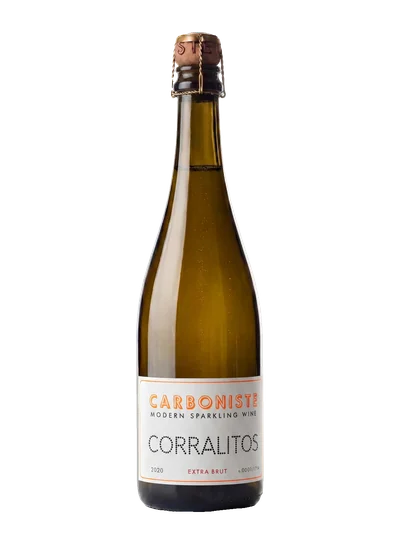
Corralitos Extra Brut
Pinot Noir and Chardonnay from beach-sand soils in the Santa Cruz Mountains. Light, delicate and perfumed. It has its own post.
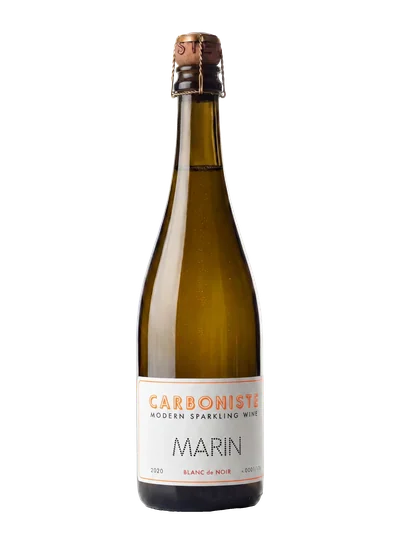
Marin Blanc de Noir
Blanc de Noir means a white wine made from red grapes. The Marin is 100% Pinot Noir from two organically farmed vineyards in Marin County, Kendric and Corda. We press the grapes, take the juice off the skins, and ferment it in barrel just like the Corralitos and the V21.
Marin is a very difficult place to grow grapes. It’s cool, there isn’t much water, and the soils are poor and shallow. It’s mostly grassland with cattle running on it, so there are very few growers, and wine is the exception out there. I’m proud we got to make it. Sadly, Marin is no longer an ongoing project for us. The grower lost the water rights to the vineyard, and it isn’t being farmed anymore, so the 2020 is a piece of history.
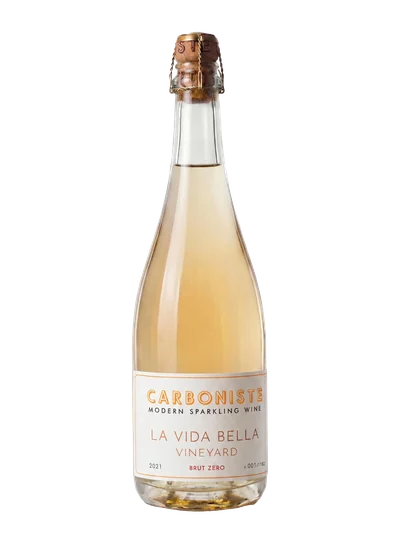
La Vida Bella Brut Zero
Three barrels of Pinot Noir and one barrel of Chardonnay from La Vida Bella Vineyard in Corralitos. Those barrels normally go into our Corralitos, but in 2021 they stood out so much that we bottled them on their own, with no dosage at all. We made fewer than 100 cases.
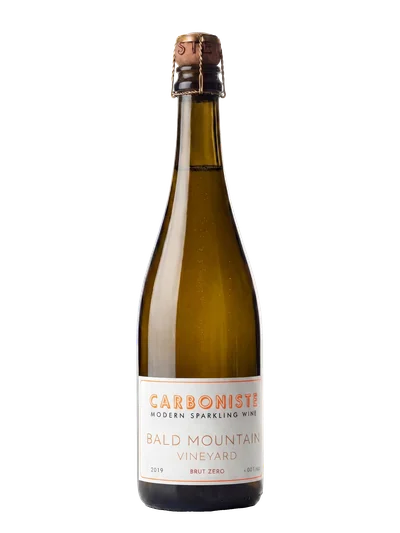
Bald Mountain Brut Zero
Chardonnay from Bald Mountain Vineyard in the Ben Lomond Mountain AVA of the Santa Cruz Mountains: own-rooted vines, about three miles from the Pacific and above the fog line, on light, white sandy soils that are probably even more decomposed than Corralitos. To me it’s very much a Grand Cru Chardonnay grown in California. It deserves its own post someday. Unfortunately it’s not an ongoing project either. We haven’t been able to get fruit from that vineyard since 2021.
Why two of them have no dosage
The job of dosage is to make the wine better. If the wine is perfect on its own, it doesn’t need any. Dosage adds something from outside the wine, so if we don’t need it, we don’t add it.
Most of the time, a little dosage does make the wine better. But with the Bald Mountain and the La Vida Bella, the wine just didn’t need it. That’s a special circumstance, and when it happens, we celebrate it.
It surprised me, honestly, because I don’t always love Brut Zero Champagnes. Sometimes I feel like I’m being punished. The wine is very hard and very acidic, and it lacks generosity and yumminess, like someone made it because Brut Zero was the hip thing to do. So I’m grateful for a delicate, bright, yummy wine that doesn’t need any sugar added at all. What Brut Zero, Extra Brut and Brut mean.
When to open a Reserve
These are wines for a special moment, when you’re with special friends and you want something you can take your time with. Think New Year’s, or a backyard dinner party with the people you love.
The one thing to remember: it’s all about time. It takes time to make great wine.
Quick answers
What does Reserve mean on a sparkling wine? At Carboniste, it means the wine was held back for extra time at every step, in barrel and in bottle, typically five or six years from harvest to release.
What is a Blanc de Noir? A white sparkling wine made from red grapes. Our Marin is 100% Pinot Noir.
What is a solera-style sparkling wine? A blend built from a reserve of older wines refreshed with younger ones. Our V21 “Solera” Brut blends 2021 wine with older wine back to 2018.
What does Brut Zero mean? A sparkling wine with no dosage, so no sugar is added after disgorging.